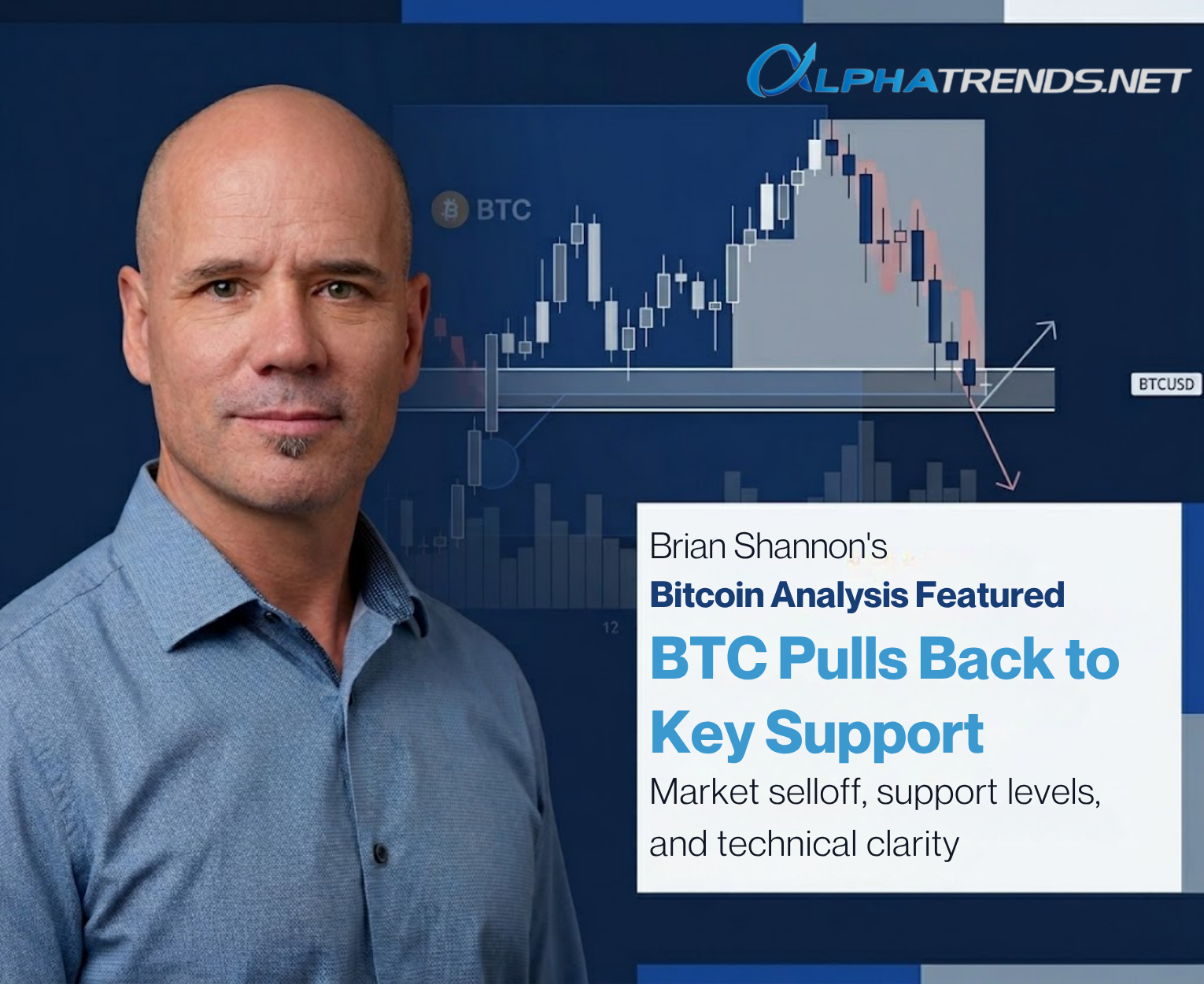

Oversold conditions often make traders expect an immediate bounce. But expectation is not evidence. A market can feel stretched and still continue lower until buyers actually step in.
Bounces come from behavior, not from opinions.
Why oversold doesn’t guarantee a bounce
Price can remain oversold longer than most traders expect.
• Selling pressure can persist even when sentiment feels extreme
• Emotional exhaustion does not equal buyer confirmation
• Markets bounce only when demand overwhelms supply
Until then, patience matters.
How support actually fails
Support weakens with repeated tests.
• Each test removes willing buyers
• Lower highs signal fading demand
• Breaks occur after enough pressure builds
The more times support is tested, the more likely it is to fail.
Anchors define areas of interest
Anchored VWAP levels help frame where reactions may occur.
• Election anchors can reflect shifts in sentiment
• Failure at an anchor often accelerates selling
• The next anchor below becomes the new reference
These levels guide awareness – not certainty.
Important note
A potential bounce area is not actionable without confirmation on shorter timeframes.
Evidence must appear before risk is taken.
What to look for before buying
Shorter-term charts provide the earliest clues.
• Selling pressure begins to slow
• Higher lows start to form
• Buyers step in with intent
Without these signals, support is just a line.
Caution
Trying to predict the bounce often turns traders into liquidity. Waiting for confirmation reduces risk and frustration.
The takeaway
• Oversold does not equal bounce
• Repeated tests weaken support
• Anchors identify areas of interest
• Evidence on shorter timeframes comes first
Bounces are earned by price action – not hoped into existence.